How Much Do Headphones Noise Cancelling Experts Make?


Headphones Noise Cancelling - How Do They Work?
Headphones with active noise cancelling utilize electronics inside to monitor ambient sound and invert the structure of those sounds and create anti-noise waves that cancel out those annoying high-frequency sounds. The constant sounds like the low hum that comes from airplane engines or trains are muffled while irregular sounds of varying bandwidths are muffled.
You can answer a call in a noisy cafe without worrying about your coworkers being able to hear you.
1. Sound Quality
The quality of the sound produced by headphones is an important factor regardless of whether they're noise cancelling or not. In general, higher-priced headsets will have superior sound quality, however this isn't always the case.
The most popular kind of headphones that block out ambient noise are those that use active noise cancelling (ANC). This technology utilizes built-in microphones to continuously monitor the environment around you and then creates a reversed version of the sound from outside. This is emitted through the speakers, along with the music, and effectively cancels out ambient noise to let you focus on your music.
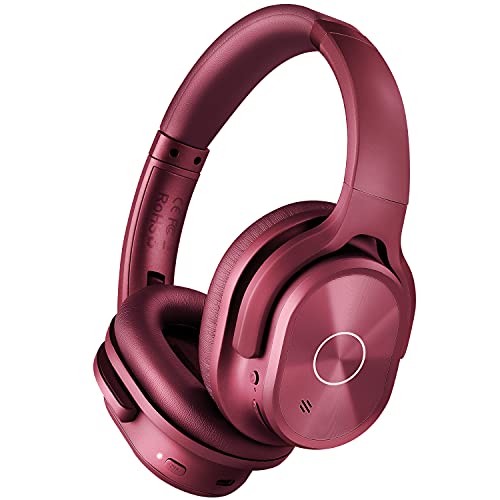
ANC is effective in reducing low-frequency sounds like the rumble of aircraft engines and train tracks, but it doesn't completely eliminate background noise. This is because high-frequency tones have shorter time-to-air distances than low-frequency sounds, and therefore can't be canceled as easily. However, a great pair of ANC headphones can drastically reduce distracting ambient noise and leave you in the feeling of silence that's perfect for listening to music or podcasts.
Certain headphones have a transparency feature that lets you listen to the world around you. This allows you to hold conversations and listen to sounds without removing the headphones. Some models are multi-device compatible, so you can listen to music on your smartphone and also make calls on your tablet.
If you're looking for a headphone that's more passively isolated from background noise, then check out our range of noise-isolating in-ear headphones. These block out most of the ambient sounds by securing them into your ears, and do not require battery-powered electronics to function.
Some of our headphones in-ear feature smart functionality that learns about the places you visit in the course of time, and then automatically switches to a specific noise-cancelling feature to ensure your hearing is protected. That's why they're so popular for commuters who travel on planes and trains and are also used to cut down the noise of your neighbor's lawnmowers while you're at home. Sony Headphones Connect allows you to create individual noise-cancelling profile for different environments.
2. Noise Reduction
Noise cancelling headphones reduce the volume of background sound you hear, allowing you focus on your phone calls or music. They have built-in microphones that listen to the sounds in your surroundings and then create an opposite of those waves that are then played back into you ears, cancelling out. You'll be left on your own private oasis of silence, with the exception of whatever you choose to play through your headphones.
noise cancelling headset with mic of a headphone to block out external noise is often advertised by decibels. However, the decibel number does not tell the entire story. The reality is that the amount of ANC a pair of headphones claim to offer is contingent on how effective the headphones are and even two models that boast the identical level of ANC could perform differently.
The electronics in premium headphones which use active noise cancellation are able to drain batteries quickly. It's always good to have a few extra batteries for any headphones that use this technology.
The effectiveness of ANC in headphones is best illustrated by their ability to suppress low-frequency sounds like trains, airplane engines, or animated conversations with your seatmates (which are blocked out with passive isolation). However, there are more advanced ways for headphones to use their ANC ability, and a few of these are available in our top headphones.
Bose's active sound cancelling employs digital audio processing in order to adjust to the surrounding. The new Aware mode is a more sophisticated version of this that will automatically adjust the ANC according to the sounds around you.
The best earbuds to use for commuting or traveling are ones that block out ambient noise, but still allow you to hear important sounds such as your phone, alarm clock, and notifications. They also have the highest ANC, so you can focus on your work and unwind in noisy environments with soothing music without straining your ears. You can also control the amount of outside noise you want to transmit through your headphones by using the EQ settings.
3. Comfort
The comfort capabilities of headphones with noise cancellation vary by design, but the best ones create a sonic buffer between your ears and the world outside. They block out background noises, so you can enjoy your favorite music without interruption. This is better than cranking up the volume of your regular headphones which could cause damage to your ears.
There are two types: passive and Active. Passive noise isolation makes use of the physical fit of the headphones to block ambient sounds before they reach your ears. This requires earpads that sit comfortably over the ear canal openings and the headband doesn't move when you move. Good passive isolation headphones are typically designed to last for 30 hours of usage.
Active noise cancellation, also known as ANC headphones make use of electronics inside to hear ambient sounds and produce noise cancellation. The headphones accomplish this by generating an equal-amplitude sound wave which is 180 degrees off of phase. These waves cancel each other out, leaving you on a blissful, silent island apart from the music you are listening to. The technology behind ANC isn't 100 however, and it often isn't able to handle high-pitched sounds like the hum of an aircraft engine, and sounds that change in frequency, like the squealing of car tires on the highway.
If you're considering using headphones that have ANC on trains or planes it is best to inquire with the rail or airline company first. Certain airlines have requirements regarding headphones that can be used onboard. This includes ensuring that the headphones won't disrupt other passengers or that they allow full access to entertainment systems.
If you're headed to the gym, you'll need a comfortable set of noise isolation headphones that can keep up with your workout and help you get motivated. Choose Bluetooth headphones that have wireless connectivity and features that let you make calls, play podcasts and listen to music. Some have voice assistants that can respond to questions about your workout routine or weather, and others feature a quick-attention mode that allows you to put your hand in front of one ear cup to pause your music, and then pipe in ambient noise to make quick calls.
4. Noise Cancellation
The best headphones with noise cancelling can block out sounds from the outside that can interfere with your audio entertainment regardless of whether it's an aircraft engine, car tire roar on the highway or your seatmate's animated chatter while on a train ride. Noise-canceling headsets work by using microphones to listen to and analyze sound waves coming from outside. They then create an inverse of those sound waves by sending a signal that's opposite to the unwanted noise when it hits your ear. This cancels out both sounds so that you can listen to music or podcasts.
This process is known as active noise cancellation (ANC) and it operates by using tiny microphones which are incorporated into the earcups of your headphones or earbuds. The information is then sent to an electronic processor built into the headphones which converts sound waves into an anti-soundwave. This happens when emitting two identical signals which are at a high point and the other that's at the plateau. The valleys and peaks cancel each other, and you only hear your music or other audio.
Certain headsets employ digital ANC and others use the combination of active and passive noise isolation to give the most effective results. The better the headphones are and the more efficient the ANC will be.
While headphones noise cancelling can greatly reduce ambient noise but they're not the perfect solution. They're particularly useful in the face of constant sounds such as trains, jet engines and traffic. However, they might not be able to block out high-frequency noises from your colleagues in the breakroom or your passenger who is joking on the plane.
It is also important to be aware of the volume at which you listen to music as well as other audio. Both the U.S. Environmental Protection Agency (EPA) and the World Health Organization (WHO) recommend that you keep your audio or music at 70 decibels or less, to avoid hearing loss. The majority of manufacturers have shifted to universal headphones that work for all types of listening so make sure you choose one that is designed to provide the best audio quality and noise cancellation as well as other features you may need. You should also look at how the headphones fit around your neck and ears as it affects the comfort they provide and how effectively they block your ear from noise.